


Tossing the instruction pamphlet into the trash the moment you open a new vaporizer is a universal habit. However, when you are handling ultra-high-capacity hardware, ignoring the technical parameters often leads to premature coil burnout or battery degradation. This comprehensive manual strips away the marketing fluff to deliver pure engineering data. From identifying exact wattage outputs to understanding the logic behind the digital telemetry, we are taking a granular look under the polycarbonate hood. Whether you are troubleshooting a flashing display or just want to maximize your e-liquid longevity, this guide provides the vital operational blueprints you need.
1. Unpacking the Hardware Dimensions
Before operating the unit, understanding its physical footprint provides insight into its durability. High-capacity devices must balance immense internal storage with everyday ergonomics.
Form Factor and Pocketability Index
The chassis is constructed from injected polycarbonate, offering high impact resistance without the excessive weight of zinc alloys. Despite housing a massive liquid chamber and a substantial battery, the tapered edges and flattened profile ensure the unit maintains a low center of gravity, fitting securely into pockets without awkward bulging.
2. E-Liquid Reservoir Volume Explained
The primary metric that dictates the lifespan of any disposable is the raw volume of the fluid suspended inside its internal tank.
Managing 20mL of Synthetic Salt Liquid
This specific model encapsulates a massive 20mL reservoir. Engineers utilized specialized organic cotton sponges to suspend this high-viscosity liquid, preventing it from sloshing. This precise capillary matrix ensures a steady, regulated flow of juice to the heating chamber to support tens of thousands of continuous draws.
3. Exploring the Alternating Dual Mesh Architecture
Standard single-wire coils are completely obsolete in this capacity bracket. Pushing a device this far requires a complete overhaul of thermal distribution.
Resistance Levels and Thermal Efficiency
The atomization engine features a dual-mesh metallic grid operating at sub-ohm resistance levels. Instead of firing constantly and scorching the wick, the motherboard alternates the electrical current. One grid absorbs the thermal load while the other rests, doubling the heating surface area while drastically reducing the chance of a dry, burnt hit.
4. Digital Crypto-Themed Display Interface
Traditional LED indicator lights leave users guessing. Modern vaporizers have transitioned to high-definition digital screens to display real-time diagnostic data.
Reading Pixelated Battery and Juice Telemetry
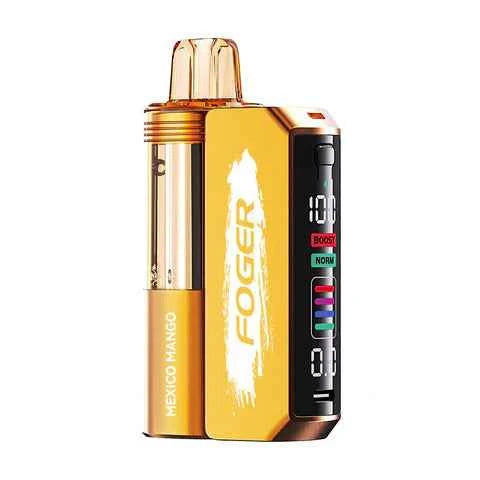
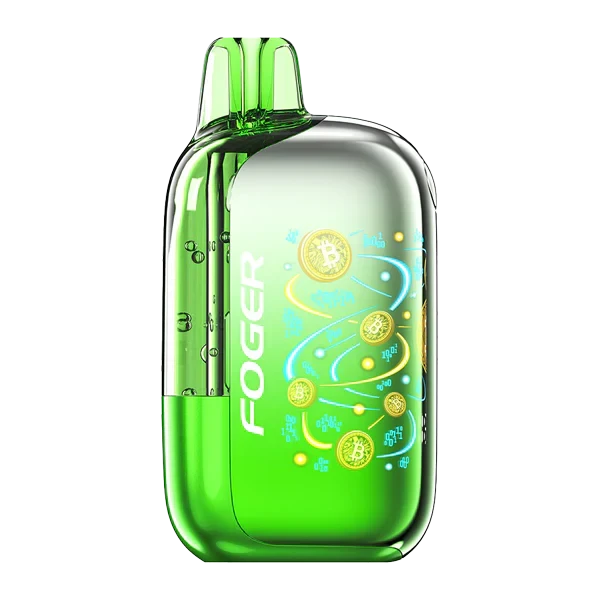
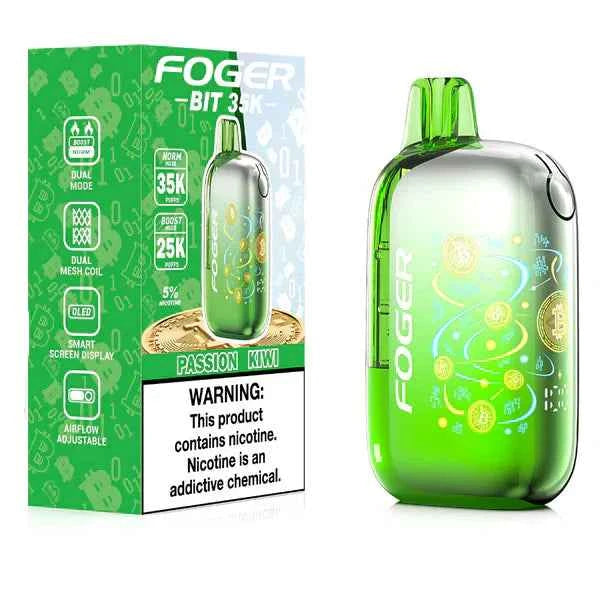
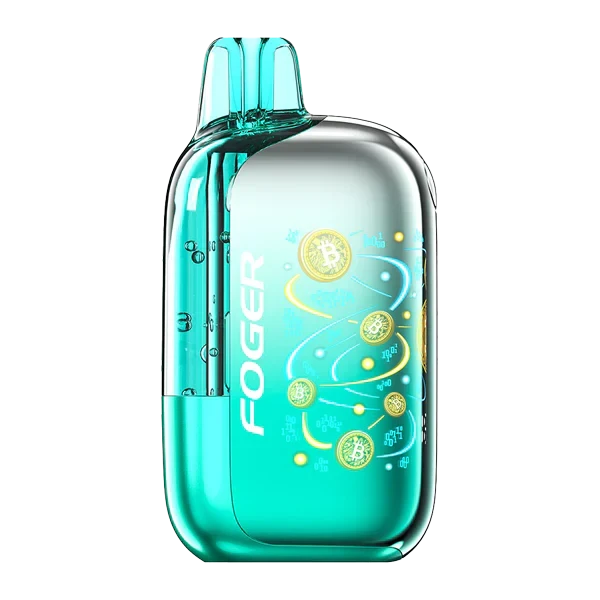
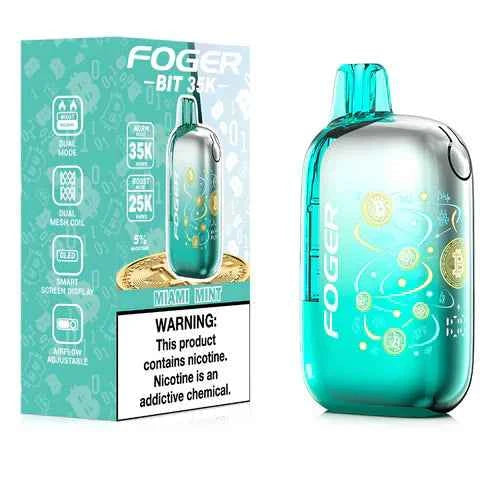
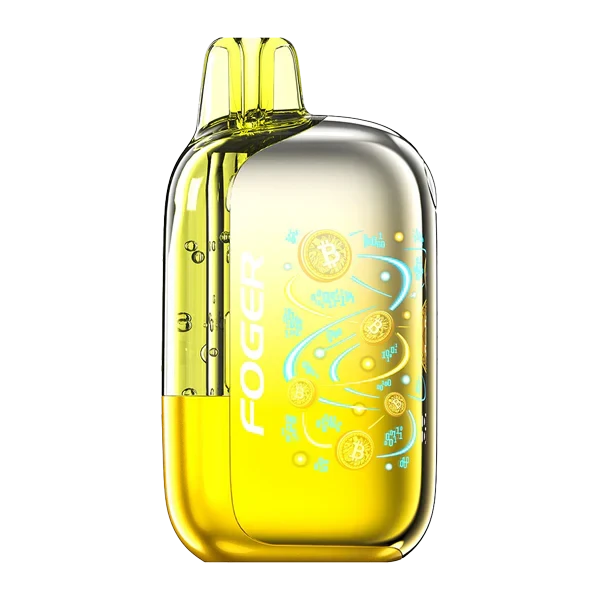
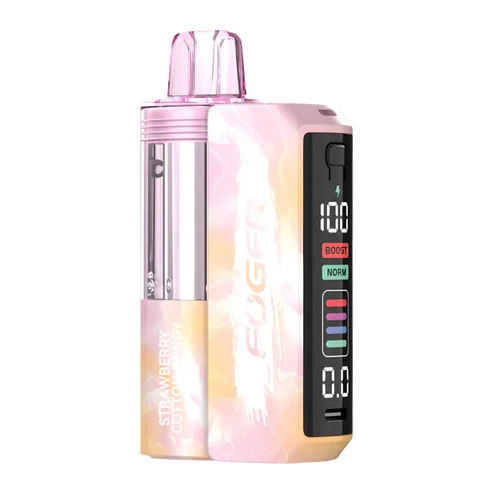
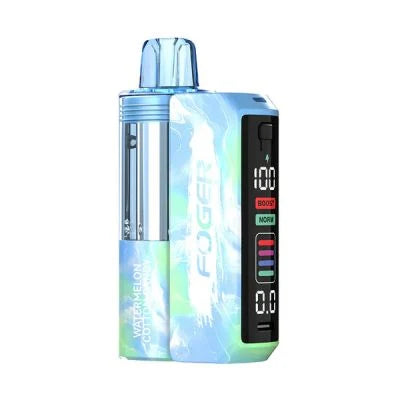
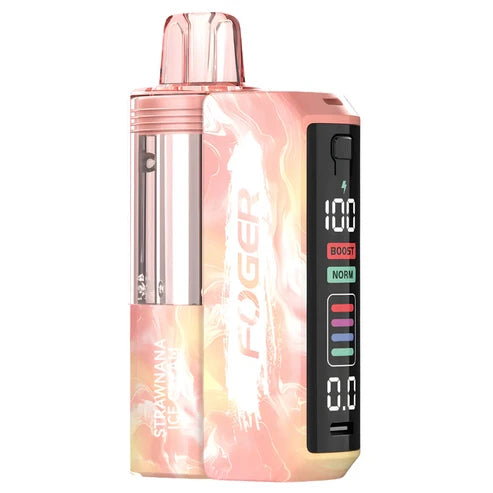
The standout "Bitcoin-themed" pixel display isn't just an aesthetic choice; it is driven by an onboard microchip. As noted in our comprehensive performance breakdown, this screen uses an advanced algorithm to track puff duration, providing a highly accurate 0-100% percentage readout for both remaining battery life and e-liquid volume.

Foger Bit 35k Spec Breakdown
5. Internal Lithium-Ion Power Cell Specifications
Supporting dual coils and a constant-on digital display requires a robust, high-density energy source to prevent voltage sagging during use.
850mAh Battery Capacity and Voltage Output
Buried at the base of the device is an 850mAh lithium-ion polymer cell. The internal buck-boost converter forces a constant voltage output, ensuring that the wattage delivered to the mesh grids remains aggressive and consistent, even when the battery gauge drops into the single digits.
6. Bottom Adjustable Airflow Control Vent
Airflow geometry dictates the physical temperature and density of the aerosol you inhale. A static airway forces a compromise, whereas adjustable vents offer precision control.
Modifying Draw Resistance for MTL and RDL
The base features a rigid sliding mechanism. Pushing it closed chokes the oxygen intake, creating a warm, restrictive Mouth-To-Lung (MTL) draw. Sliding it open increases the internal vacuum space, resulting in a cooler, airy Restricted Direct-Lung (RDL) inhale that produces significantly larger cloud volumes.
7. Type-C Fast Charging Port Parameters
Safely replenishing an 850mAh battery requires strict adherence to charging protocols to prevent motherboard degradation and battery swelling.
Maximum Amperage Input and Pass-Through Safety
The bottom-mounted USB-C port is regulated by a charge controller capped at approximately 1.0 Ampere (5V/1A). While the chipset technically supports pass-through vaping (using it while plugged in), the manual strongly advises against it. Simultaneous discharging and charging creates severe thermal stress that can permanently damage the microchip.
8. Synthetic Nicotine Concentration Data
The chemical formulation of the liquid determines the physical sensation on the throat and the speed of craving satisfaction.
50mg/mL Strength and pH Absorption Rates
Pre-filled with a 5% (50mg/mL) concentration, the liquid uses synthetic nicotine salts. This laboratory-crafted molecule has a purposely lowered pH level. This specific alkalinity allows the human body to absorb the nicotine rapidly while entirely neutralizing the harsh, peppery burn typically associated with high-strength freebase nicotine.
9. Medical-Grade Silicone Vacuum Gaskets
A 20mL tank is a massive liability if the internal seals fail. Leakage can destroy the motherboard and ruin clothing instantly.
Preventing Condensation Leaks During Transit
To secure the high-capacity hardware inventory against pressure changes (such as high-altitude shipping), the assembly utilizes medical-grade silicone gaskets. These thick O-rings create an impenetrable vacuum seal around the chimney and base, guaranteeing zero liquid seepage even if the device is stored upside down.
10. Auto-Draw Pneumatic Sensor Mechanics
There are no physical fire buttons on this chassis. Activation relies entirely on changes in atmospheric pressure inside the central chimney.
Firing Latency and Trigger Sensitivity
A highly sensitive pneumatic microphone sits near the bottom air vent. The exact millisecond you inhale, the sensor detects the vacuum and closes the electrical circuit. This zero-latency trigger ensures the coil heats up instantly, providing a thick mouthfeel right at the beginning of your draw.

Foger Bit 35k User Manual Guide
11. User Manual: Initial Setup Instructions
Improper unboxing is the number one cause of immediate hardware failure. The device must be primed correctly before the very first hit.
Unsealing the Polycarbonate Mouthpiece Properly
Upon removing the foil wrapper, you must pull the silicone plug out of the mouthpiece and peel the protective sticker off the bottom airflow vents. Attempting to inhale while the bottom sticker is attached will force the pneumatic sensor to misfire and could flood the internal chimney with un-vaporized liquid.
12. User Manual: Troubleshooting Screen Flashes
When the device stops hitting and the digital interface begins blinking rapidly, the motherboard is communicating an error code.
Decoding Short Circuit and Depletion Warnings
If the screen blinks 10 times consecutively, the battery is fully depleted and requires a Type-C cable. If it flashes 3 to 5 times immediately upon taking a draw while the battery is full, the microchip has detected a short circuit in the mesh coil—a built-in safety feature designed to prevent battery thermal runaway.
13. Comparing Standalone vs Modular Specifications
Understanding where this unit sits in the technological landscape helps adult users make smarter, long-term purchasing decisions.
Assessing Reusable Magnetic Base Alternatives
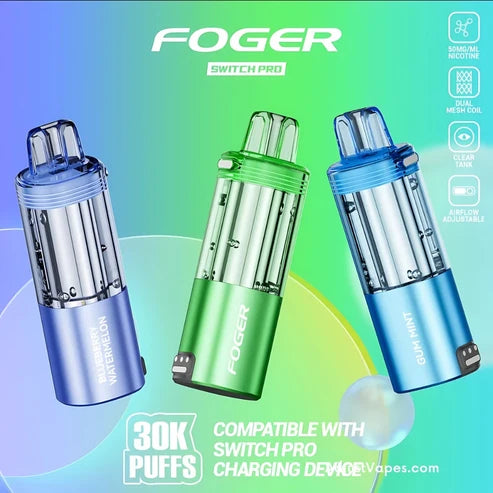
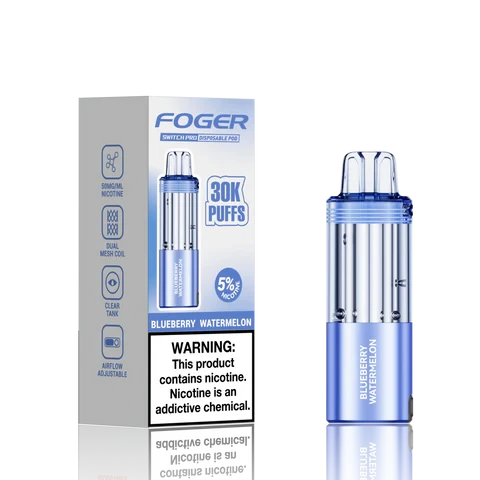
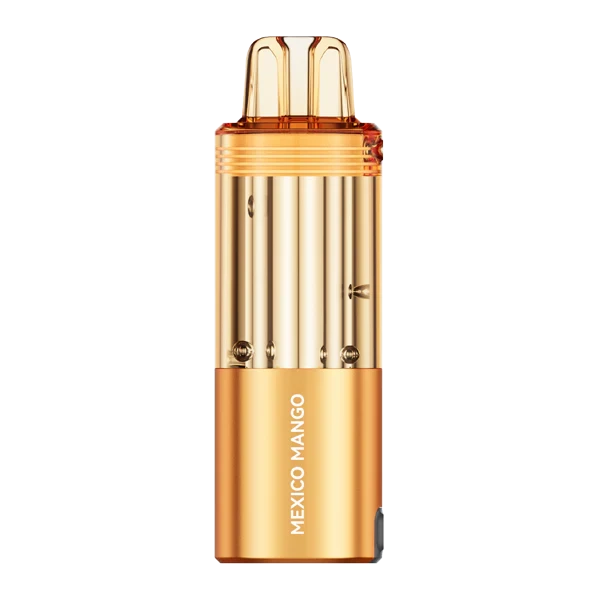
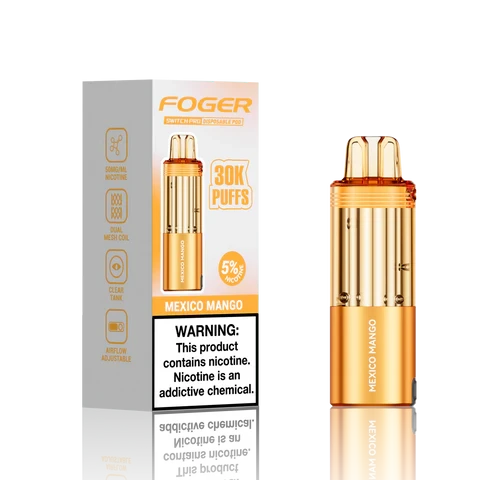
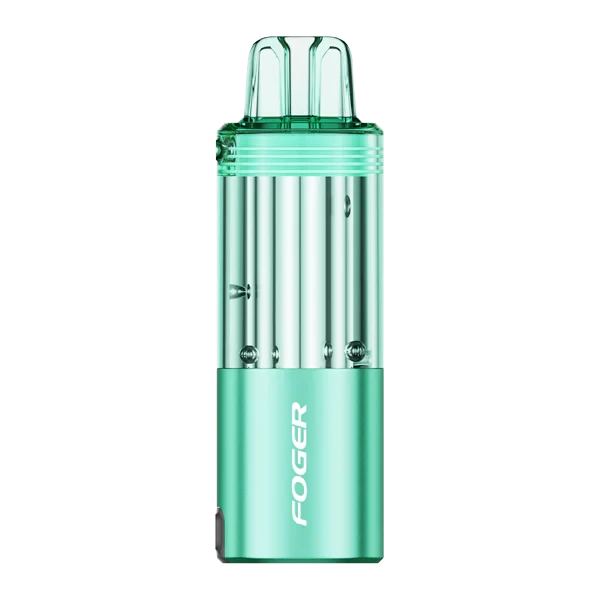
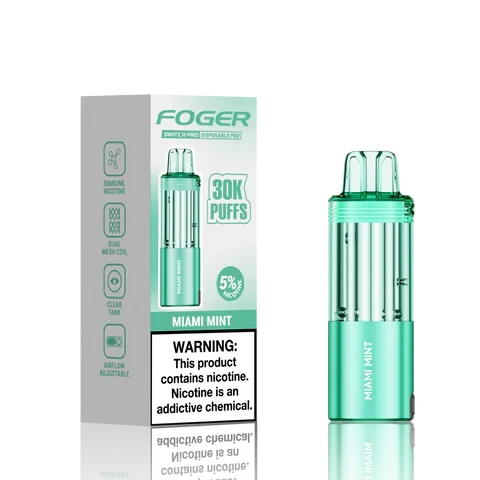
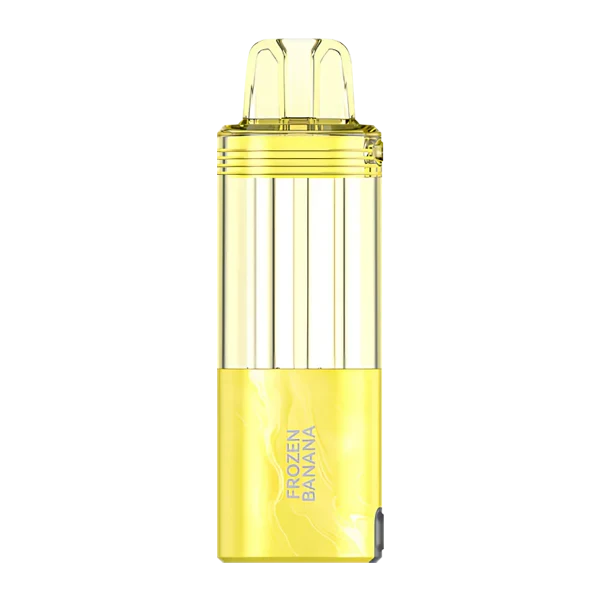
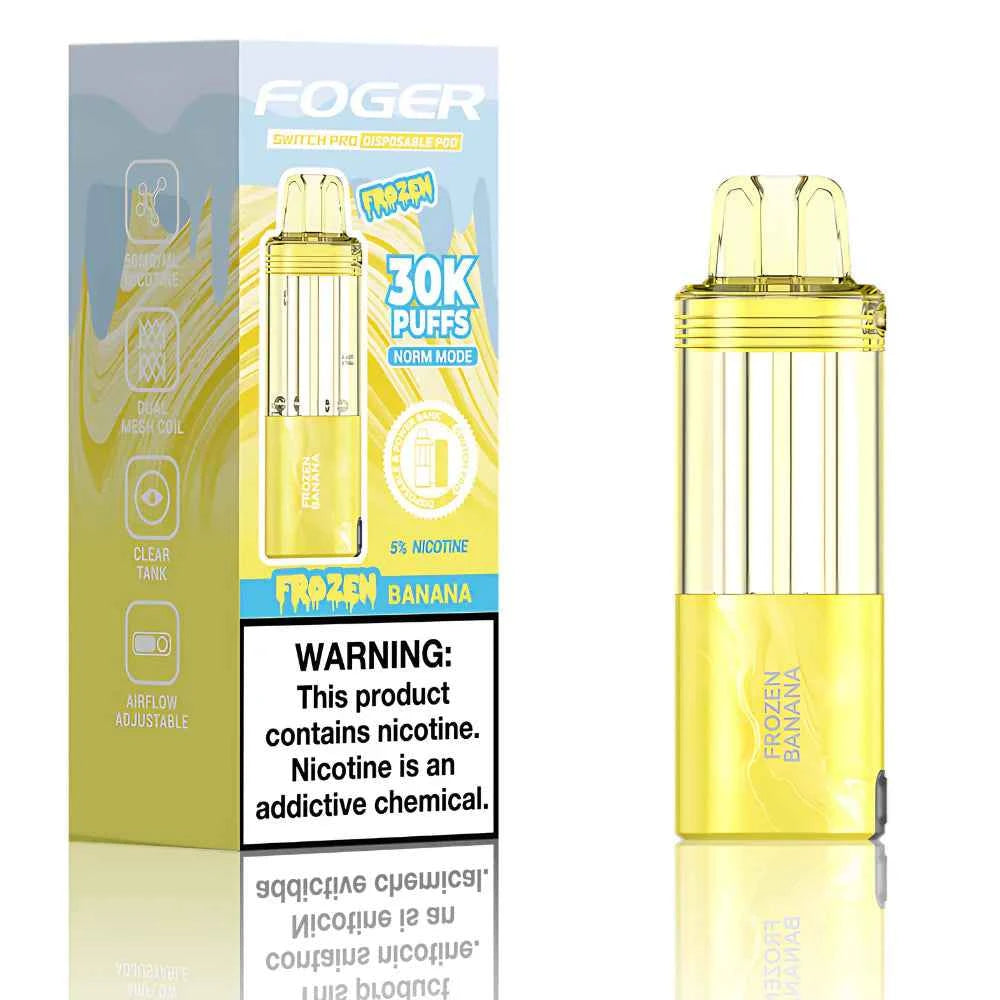
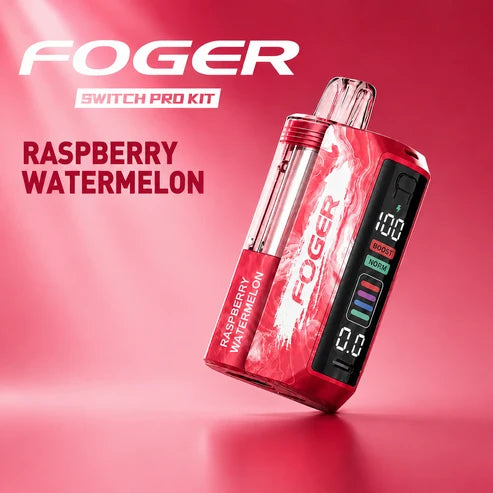
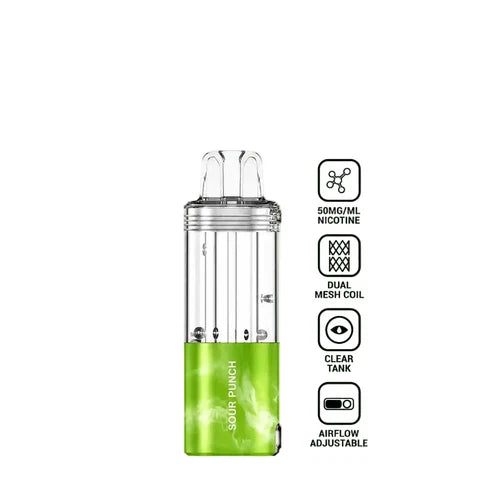
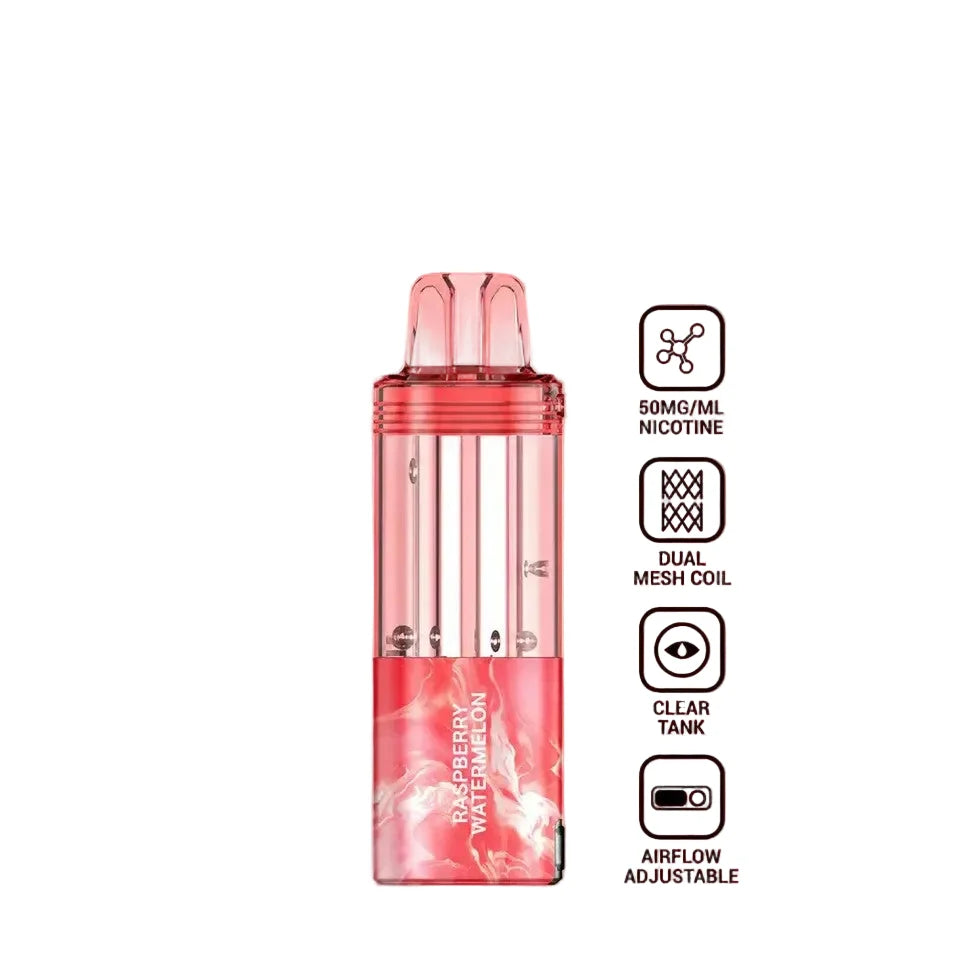
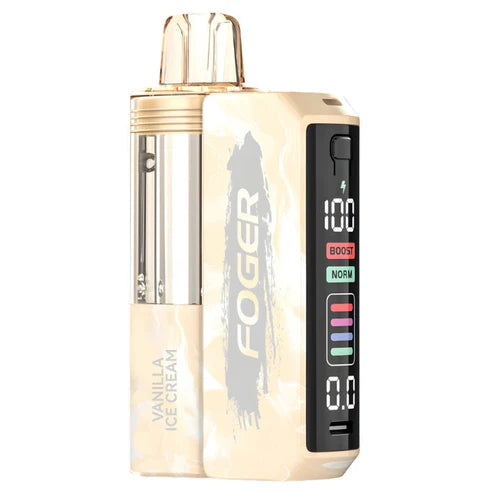
While the 35K all-in-one chassis is built for maximum standalone endurance, some users prefer less electronic waste. In those cases, comparing these specs against a modular two-piece ecosystem is necessary. Modular systems allow you to retain a 1000mAh battery base and only replace the 19mL liquid pods, offering a different logistical approach to high-volume vaping.
14. Disposal and Recycling Guidelines
When the digital screen permanently reads 0% liquid and the vapor tastes like dry cotton, the hardware has reached the end of its life cycle.
Safe Processing for Depleted Lithium Batteries
Because the chassis contains a depleted 850mAh lithium-ion battery, it must never be thrown into a standard household trash bin. To prevent environmental contamination and landfill fires, the unit must be dropped off at a certified electronic waste recycling facility or a local retailer with a designated battery disposal bin.
Frequently Asked Questions (PAA Cluster)
How long does it take to charge the Foger Bit 35K battery? Using a standard 5V/1A USB Type-C wall block, the 850mAh battery typically recharges from 0% to 100% in approximately 50 to 60 minutes. Do not use high-wattage laptop chargers, as they can overwhelm the device's internal charge controller.
What does the Bitcoin screen actually display? The crypto-themed digital display features an animated interface that provides two critical pieces of real-time telemetry: the exact percentage of battery life remaining and the estimated percentage of e-liquid left in the 20mL reservoir.
Can I refill the Foger Bit 35K when it runs out of juice? No. This is a closed-system disposable device. The polycarbonate chassis is heavily sealed at the factory to maintain a precise vacuum pressure necessary for wicking. Prying the device open to add liquid will destroy the pressure seal and cause catastrophic leaking.
Why does my device keep hitting after I take my mouth away? This malfunction, known as auto-firing, happens if e-liquid condensation drips down onto the pneumatic airflow sensor, keeping the circuit closed. If your device auto-fires, place it immediately on a non-flammable surface until it stops, as this represents a severe thermal hazard.





How to Fix Foger Bit 35K Not Hitting, Burnt Taste & Charging Issues
Foger Switch Pro Series Overview: Modular Vaping & Interchangeable Pods Explained
Share: